Blog
Practical notes on startup finance, investor reporting, and the tools we use to keep books always-on.
In an investor conversation, your product and vision get the attention, but your financial administration quietly determines how much trust you earn. Not because of the numbers themselves, but because of what your books say about how you run the company. Here's what investors really look at.
"Do we need a bookkeeper or an accountant?" It's one of the first financial questions founders ask, and the answer is often slightly different than expected. Here's the difference, and what actually matters for a startup.
By the time quarterly books close, the decisions they should have informed are already two months old. For startups burning runway, that lag is the difference between adjusting course and missing the window entirely.
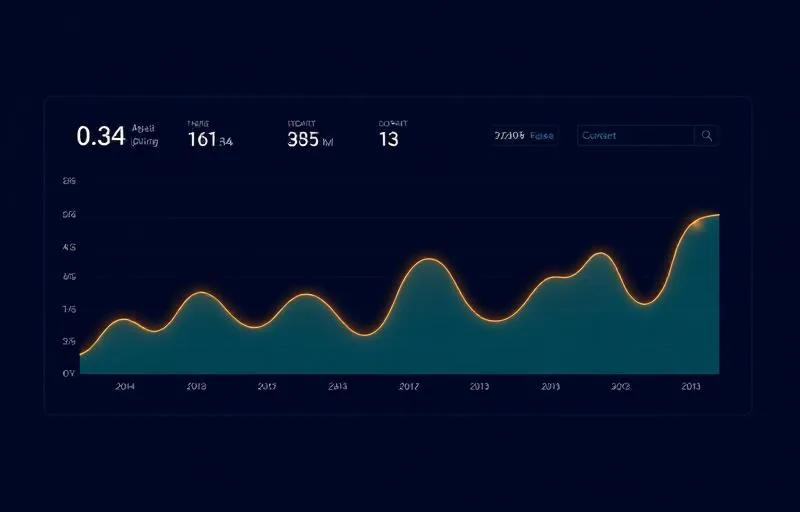
Investors don't just fund numbers; they fund the founders behind them. A live dashboard signals that you know your business cold, and removes the awkward 'let me get back to you' moments in board meetings.
You don't need a finance degree to run a tight ship. Three numbers, checked every morning, will tell you 80% of what you need to know about the health of your startup.
Spreadsheets are flexible, but they break the moment two people edit them. Moving to a structured, automated bookkeeping platform turns bookkeeping from a monthly event into a live source of truth.
We use functional cookies to make this site work and, with your permission, privacy-friendly analytics (Plausible) to understand how it's used. You can change your choice anytime.